


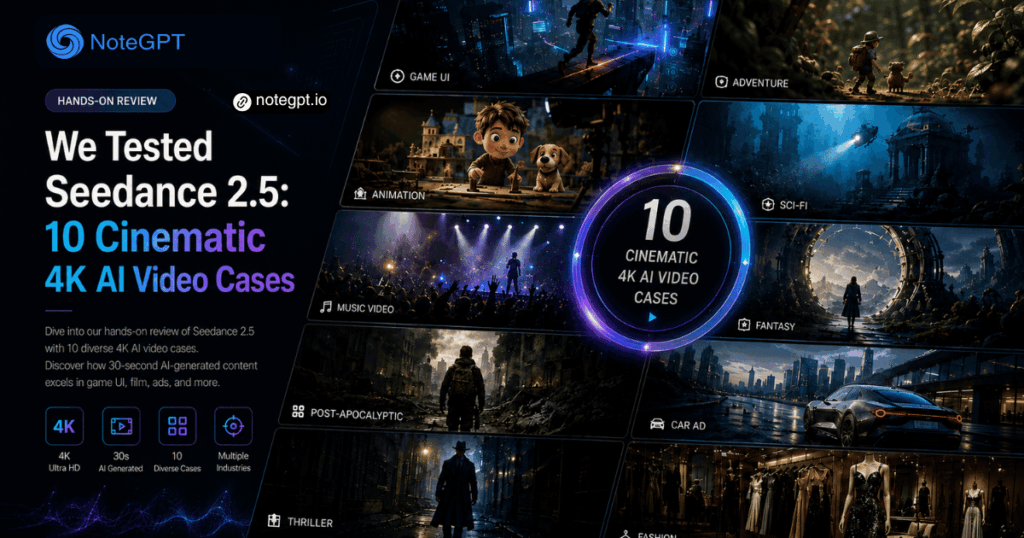
AI video generation is moving beyond short clips and simple visual experiments. With newer models such as Seedance 2.5, creators can generate longer, more cinematic scenes with dynamic camera movement, detailed environments, character actions, and visual transitions.
To see what it can actually do, we tested Seedance 2.5 across 10 different creative scenarios. Instead of focusing on one type of content, these AI video cases cover game interfaces, animation, sci-fi films, music videos, commercials, fashion, and more.
The goal was simple: push Seedance 2.5 into different production scenarios and see where 4K AI video generation works best.
How We Tested Seedance 2.5
For this test, we created 10 short video concepts covering different visual styles and storytelling requirements.
Each case focuses on a specific challenge, such as maintaining visual consistency, creating complex camera movements, building cinematic environments, or combining multiple scenes into a continuous sequence.
The results show that AI video generation is becoming less about generating a single impressive shot and more about creating complete visual experiences.
Create Seedance 2.5 Videos on NoteGPT
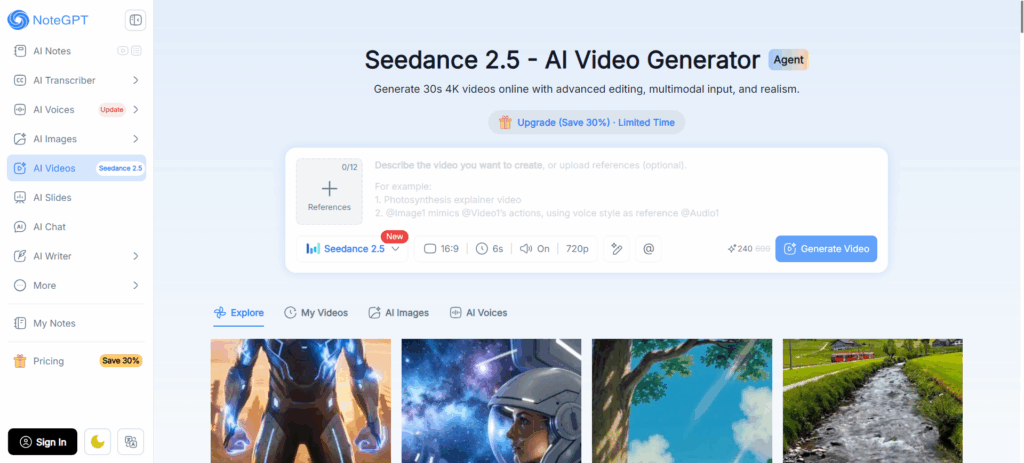
We generated all 10 video cases using Seedance 2.5 on NoteGPT, making it easy to turn creative ideas into AI-generated videos from a simple prompt.
The workflow is straightforward: enter your idea, describe the scene, choose the desired visual style, and let Seedance 2.5 generate the video. This makes it convenient to experiment with different concepts without switching between multiple AI video tools.
From cinematic film scenes and game concepts to music videos and advertisements, the same workflow can be used to explore a wide range of AI video ideas.
Once the videos were generated, we selected 10 of the most interesting results for this hands-on test.
10 Seedance 2.5 Video Cases
1. Parkour Game UI
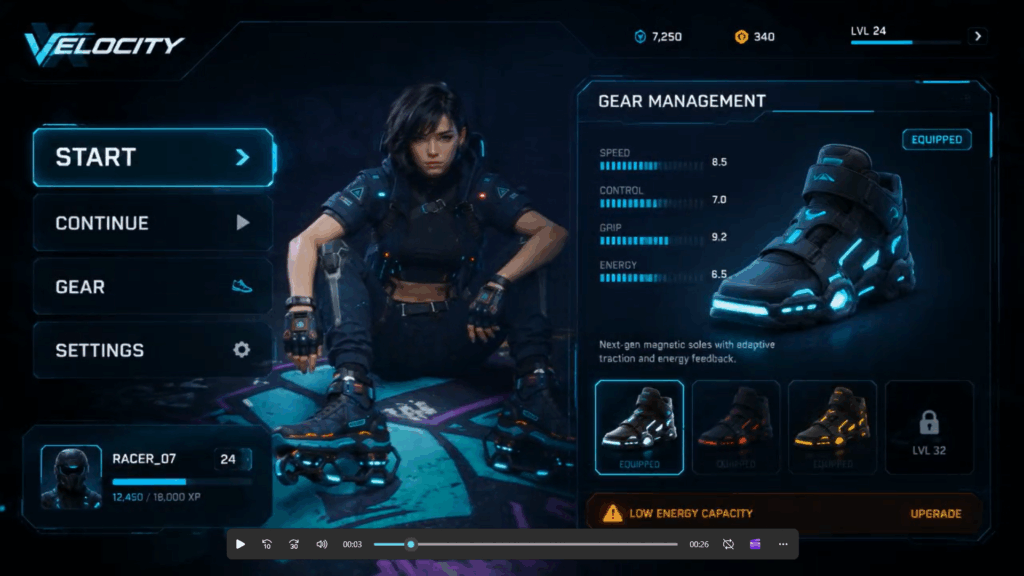
The first experiment turns an AI-generated scene into a futuristic parkour game experience.
Fast camera movement, character actions, environmental design, and game UI elements need to work together without making the scene feel disconnected.
This case shows how Seedance 2.5 could be useful for game concept visualization, gameplay trailers, and early-stage creative prototypes.
Instead of building a complete game environment first, creators can use AI video to visualize an idea within minutes.
2. Miniature World Adventure

The second case takes us into a miniature fantasy world.
Tiny characters explore an oversized environment, creating a visual contrast similar to a live-action adventure film. The challenge here is scale: objects, characters, lighting, and camera perspective all need to communicate that the world is miniature.
The result demonstrates how AI video can create unusual environments that would normally require physical sets, miniatures, or extensive VFX work.
3. Stop-Motion Animation
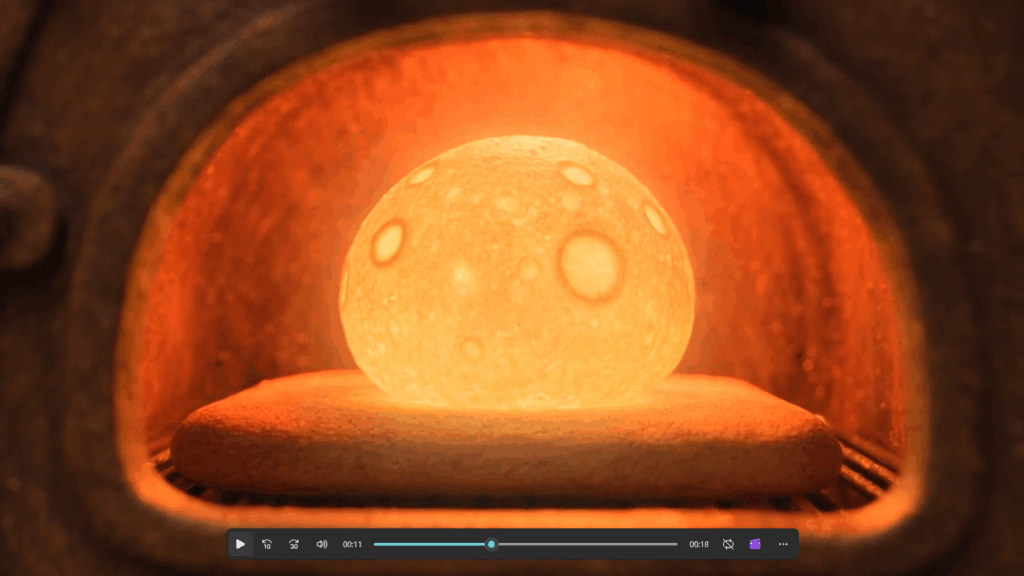
AI-generated video does not have to look photorealistic.
For this test, we used a stop-motion animation style to see how well Seedance 2.5 could reproduce the visual characteristics of handcrafted animation.
The imperfect movement and stylized appearance give the video a completely different personality from a traditional cinematic AI film.
This could be useful for creators who want to experiment with animation without producing every frame manually.
4. Sci-Fi Deep Sea Ruins
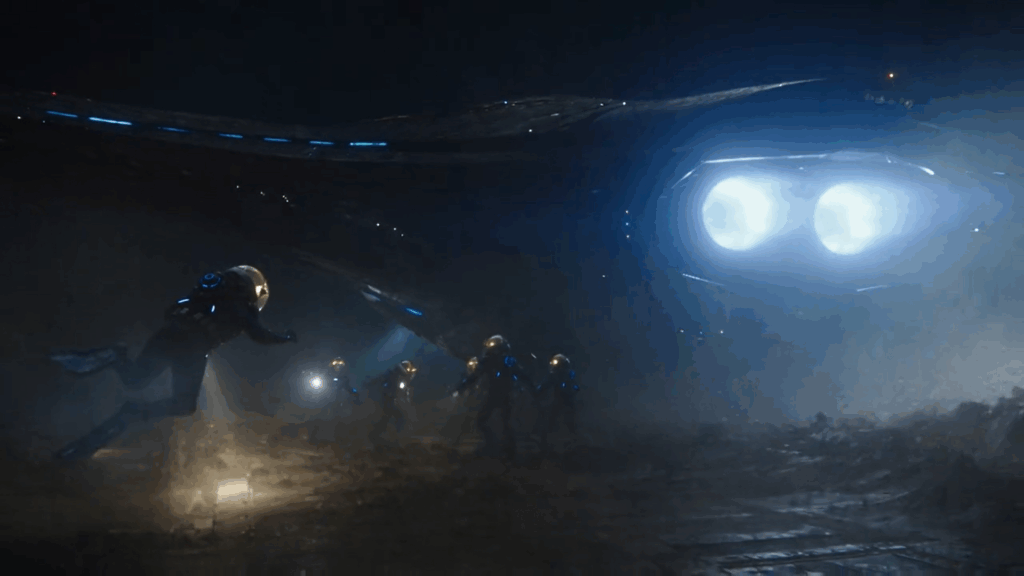
Next, we moved underwater.
The scene combines deep-sea exploration, mysterious ruins, cinematic lighting, and science-fiction elements. Underwater environments are particularly challenging because lighting, particles, reflections, and movement all contribute to the atmosphere.
This case highlights one of the biggest strengths of AI video: creating environments that would normally require expensive sets and visual effects.
For filmmakers, it can also work as a visual pre-production tool for testing ideas before committing to a full production.
5. Personal Music MV
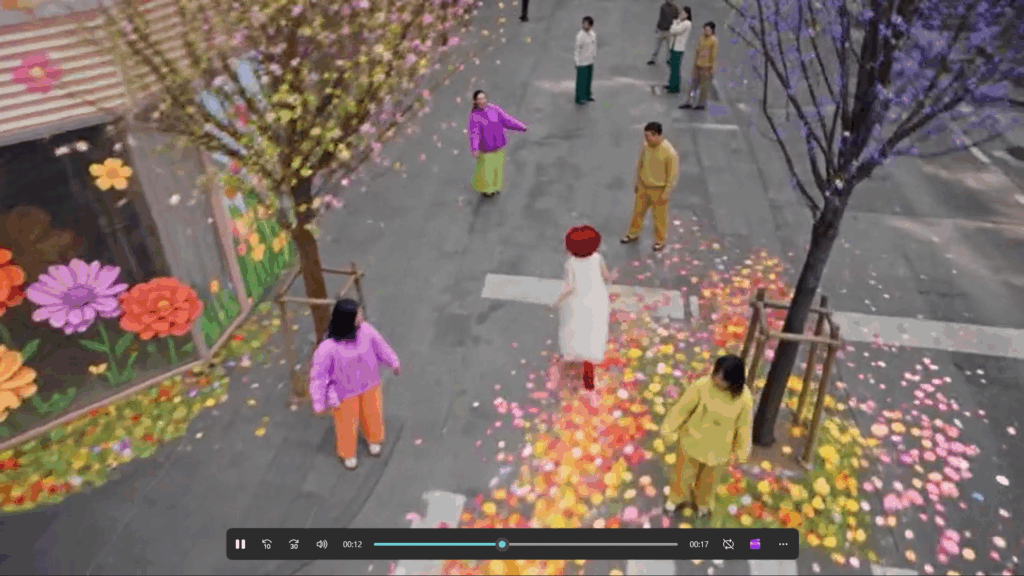
AI video generation is also changing how independent musicians approach music videos.
For this case, we created a short personal music MV designed around mood, movement, and cinematic imagery rather than a traditional narrative.
Instead of renting locations, hiring a production crew, and planning multiple shoots, creators can use AI-generated scenes to experiment with different visual directions.
This makes AI video particularly interesting for independent artists and social media creators working with limited budgets.
6. One-Shot Fantasy Transition
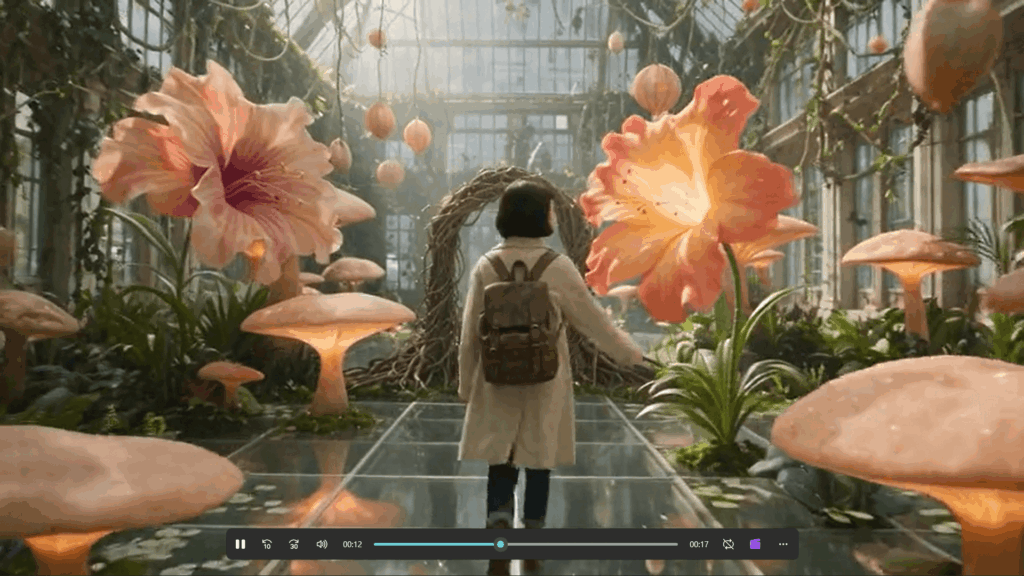
One of the more challenging experiments was a continuous fantasy transition.
The camera moves through different environments while the visual world changes around it. Rather than cutting between separate shots, the goal is to create the feeling of one uninterrupted camera movement.
This type of sequence tests both camera control and visual continuity.
It also demonstrates why AI video can be more than a simple text-to-video tool. With the right creative direction, generated footage can become part of a larger storytelling language.
7. Doomsday Escape Film
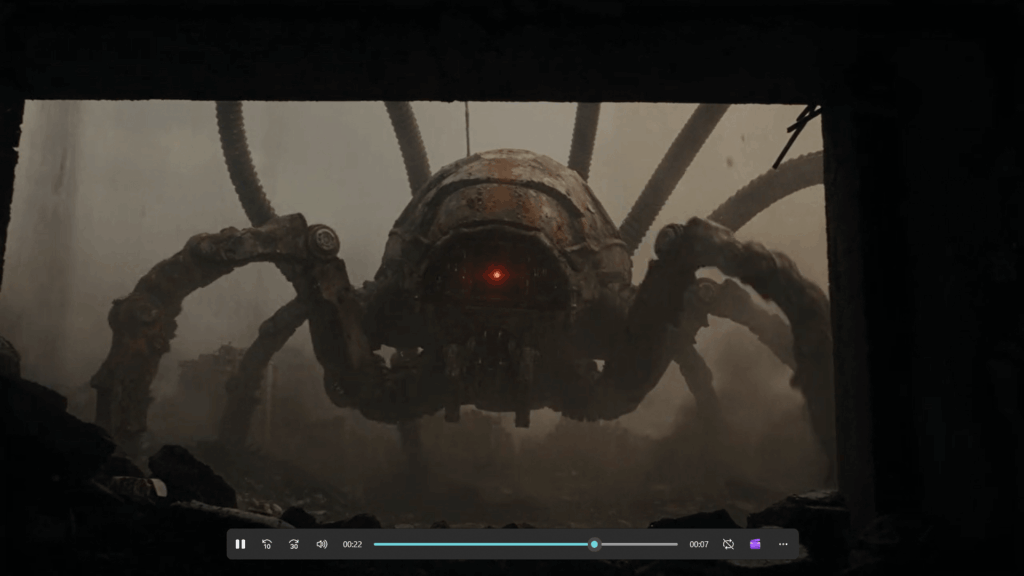
For the seventh case, we went cinematic.
The concept follows a character escaping through a collapsing world, combining environmental destruction, fast movement, dramatic lighting, and a strong sense of urgency.
A disaster sequence requires more than attractive visuals. The environment, character movement, camera position, and pacing all need to communicate the same story.
This makes the case a useful test for AI filmmaking rather than simply AI image animation.
Seedance 2.5 shows how creators can use generated footage to prototype scenes that would otherwise require significant production resources.
8. Car Commercial
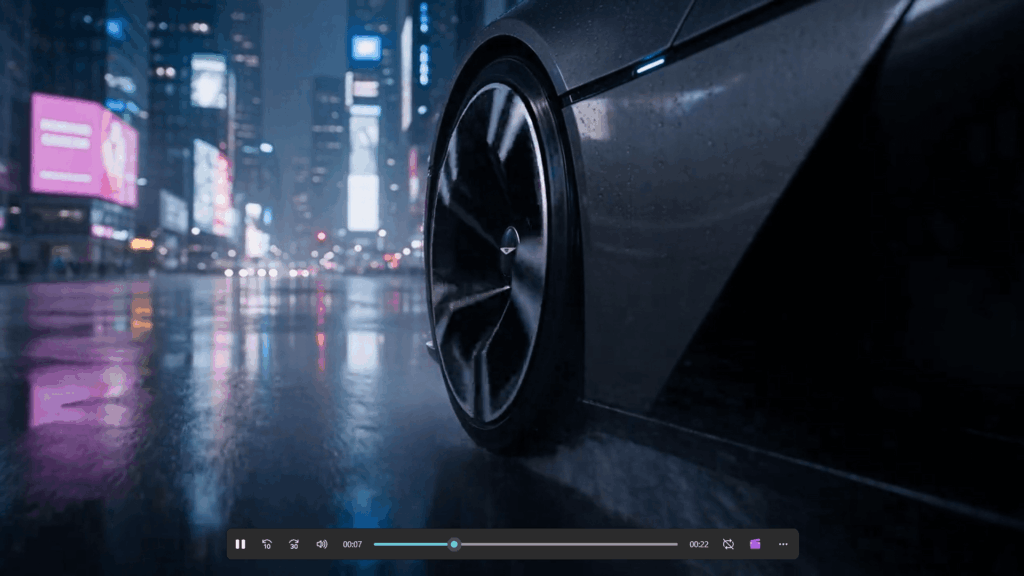
Commercials are another natural application for AI video.
For this case, the focus was a cinematic car advertisement. The vehicle becomes the visual subject while the environment, lighting, camera movement, and composition are designed around it.
Traditional automotive commercials often require expensive locations, camera equipment, lighting setups, and post-production.
AI-generated video does not replace that workflow completely, but it can make creative testing much faster. Marketing teams can explore multiple concepts before deciding which direction deserves a full production.
9. Suspense Film
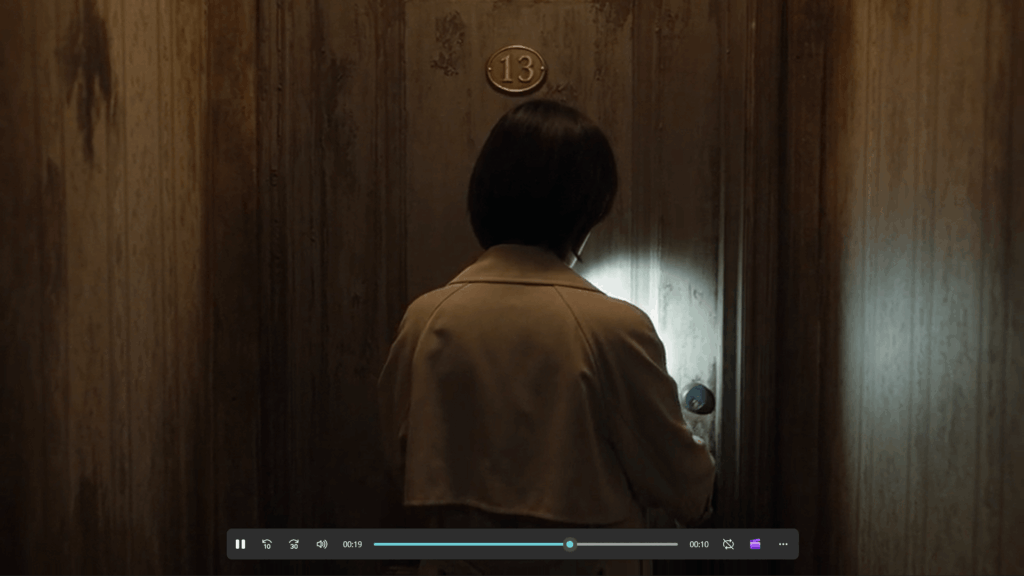
The ninth case focuses less on action and more on atmosphere.
A suspense film depends heavily on lighting, framing, pacing, environment, and what the audience does not see.
The AI-generated scene uses cinematic composition and controlled camera movement to create tension rather than relying on visual spectacle.
This is an important test because good AI video is not simply about generating more detail. Storytelling, mood, and visual language are equally important.
10. Fashion Transformation
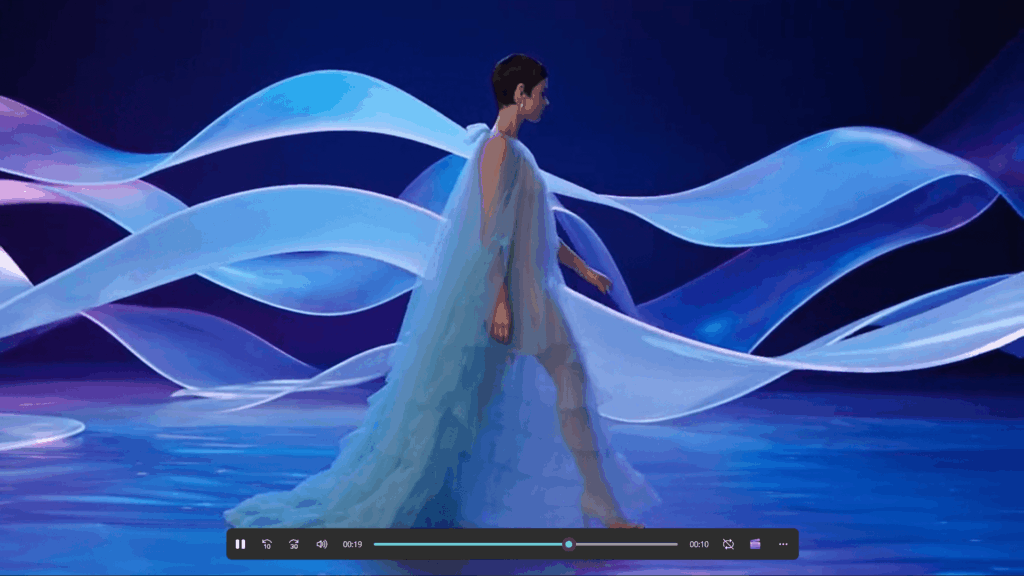
The final case explores fashion transformation.
A character moves through different outfits and visual styles, creating a fast transformation sequence suitable for social media or fashion marketing.
This type of content could be particularly useful for fashion brands, creators, and advertisers looking for short-form visual concepts.
It also demonstrates how AI video can combine character consistency, styling, and visual transitions within a single creative idea.
What These 10 Cases Tell Us
After testing these 10 scenarios, one thing becomes clear: AI video is becoming increasingly useful for visual prototyping and creative production.
The strongest applications are not limited to cinematic films. Game developers can visualize gameplay concepts. Musicians can create music videos. Brands can test advertising ideas. Filmmakers can prototype scenes. Creators can experiment with animation and fantasy worlds without traditional production constraints.
At the same time, AI-generated video still requires creative direction. A strong prompt, clear visual references, appropriate camera instructions, and careful iteration can make a significant difference in the final result.
Final Thoughts
Our 10 Seedance 2.5 video cases cover very different creative scenarios, from parkour game UI and miniature worlds to sci-fi films, car commercials, and fashion transformations.
The biggest takeaway is not simply that AI can generate 4K video. It is that AI video generation is moving toward a workflow where creators can turn ideas into visual prototypes much faster.
Seedance 2.5 is another step in that direction. Whether you are making an AI film, testing a commercial concept, creating a music video, or simply exploring what generative video can do, these cases show how far the technology has come—and how much more creative experimentation is still possible.