


College teaches you a lot, but not everything is in the syllabus. Some skills you pick up the hard way: juggling deadlines, digging through research, and surviving on instant noodles between classes.
One skill that often surprises students is academic writing. It’s not like texting a friend or posting online — it’s formal, structured, and every claim usually needs evidence. For many students just starting college or grad school, this can feel intimidating.
The good news is that academic writing doesn’t have to be overwhelming. Once you understand the main rules, structure, and tone, it becomes a tool to communicate your ideas clearly and convincingly. You’ll use it in essays, research papers, literature reviews, and even your thesis or dissertation. Mastering it early makes every assignment easier and builds skills that last far beyond the classroom.
Luckily, there are tools that can help you along the way. They don’t replace your thinking, but tools like AI Essay Writer make organizing ideas, drafting, and refining your academic writing much smoother.
What academic writing actually is
You learn a lot in college, and not all of it can be found in the course catalog. A lot of the skills you acquire you find yourself having to master on your own: managing your time, researching efficiently, and making ramen noodles in a coffee pot.
Another one of the skills you need to master is academic writing. Academic writing isn’t like other types of writing; it’s formal, it’s objective, and for a lot of students just starting college or grad school, it can be daunting.
But once you break down the fundamentals of academic writing and examine them piece by piece, you’ll see they’re nothing to be afraid of. There are rules you need to follow, but once you’ve got those rules down, you’re on your way onto the dean’s list.
Why academic writing feels different from normal writing
Many students struggle not because they lack ideas, but because academic writing feels unnatural at first. You’re used to texting, social media posts, or informal emails. Academic writing style is almost the opposite.
Here’s a simple comparison:
| Normal Writing | Academic Writing |
| Conversational tone | Formal and objective tone |
| Personal opinions | Evidence-based arguments |
| Short, casual sentences | Structured, logical paragraphs |
| Slang and contractions | Precise vocabulary, no slang |
| Little structure | Clear introduction, body, conclusion |
That difference is why students often think academic writing is “hard.” It’s not harder thinking — it’s different expectations. Once you understand academic writing rules and academic writing style, it becomes much more manageable.
Characteristics of Academic Writing
Academic writing should be formal, clear, and direct
One of the most important academic writing rules is maintaining a formal tone. This does not mean using complicated words just to sound intelligent. In fact, good academic writing is often simple but precise.
You avoid slang, jokes, and casual phrases. Instead of saying “a bunch of studies,” you write “numerous studies.” Instead of “stuff,” you say “factors” or “variables.” Academic writing style values clarity and accuracy over personality.
At the same time, academic writing should be clear and concise. Long, confusing sentences make arguments weaker, not stronger. Direct language helps readers understand your ideas quickly.
Academic writing is about evidence, not opinions
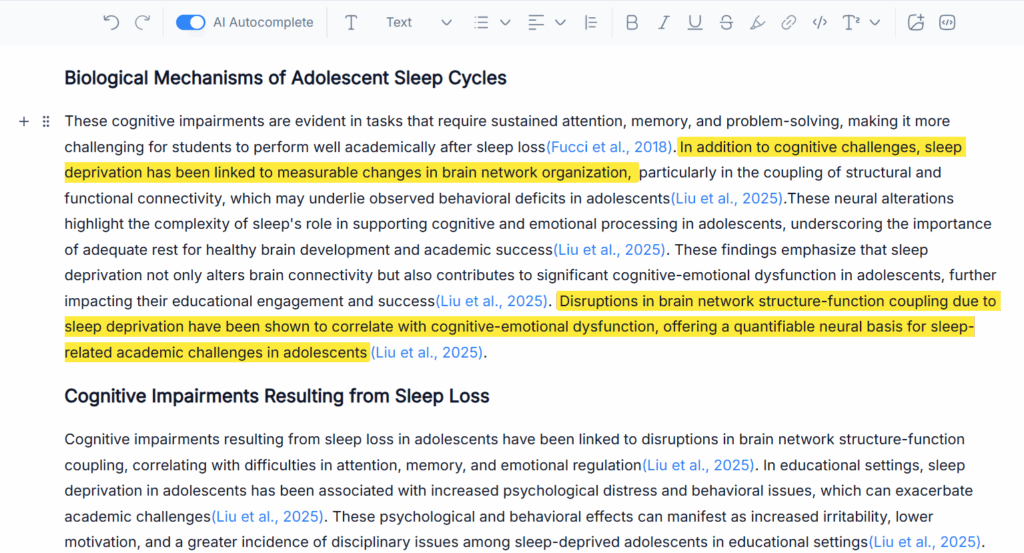
In everyday conversation, saying “I think” is normal. In academic writing, personal opinion alone is not enough. Claims must be supported by data, research findings, examples, or scholarly sources.
This is a core part of the academic writing definition. You are not just sharing thoughts; you are building an argument based on evidence. That’s why academic writing examples often include citations, statistics, or references to studies.
Academic writing follows real grammar and tone rules
Academic writing uses what is often called prescriptive grammar. That means certain grammar and style rules are expected. For example, sentence fragments, casual abbreviations, and overly emotional language are usually not acceptable.
Tone also matters. Academic writing style is objective and measured. Strong arguments can still be made, but they are expressed calmly and logically rather than emotionally.
Formatting depends on your required style guide
Another key part of academic writing rules is formatting. Different subjects use different style guides. These guides control how you format citations, references, headings, and sometimes even tone.
| Style Guide | Commonly Used In |
| APA | Social sciences, psychology, education |
| MLA | Literature, humanities |
| Chicago | History and some humanities |
| IEEE | Engineering and technical fields |
Understanding your required format is part of learning academic writing structure.
Common Types of Academic Writing Students Face
When people ask what is academic writing, they often imagine only essays. In reality, there are many types of academic writing.
Essays
Essays are one of the most common academic writing examples. They usually present an argument or analysis about a topic. Essays teach students how to structure ideas, build a thesis, and support claims with evidence.
Research papers
Research papers go deeper. They involve investigating a topic, reviewing sources, and presenting findings or arguments based on evidence. Research papers strongly reflect academic writing style and academic writing structure.
Literature reviews
A literature review analyzes and summarizes existing research on a topic. Instead of presenting new data, you show how different studies relate to each other. This type of academic writing emphasizes synthesis and critical thinking.
Research proposals
Research proposals explain what you plan to study and how you will do it. They include research questions, methods, and expected outcomes.
Theses and dissertations
These are long academic projects required for advanced degrees. They combine research, analysis, structure, and formal academic writing style at a high level.
How Academic Writing Is Structured
The role of a strong thesis statement
A thesis statement is the central idea of your paper. It tells readers what your main argument or focus will be. In academic writing structure, everything connects back to the thesis.
Paragraphs that develop one clear idea
Each paragraph should focus on a single point that supports the thesis. Good academic writing examples show paragraphs that start with a clear topic sentence, followed by explanation and evidence.
Introductions and conclusions that do real work
The introduction presents the topic and thesis. The conclusion does more than repeat ideas; it explains the significance of your argument and leaves a clear final impression.
Sources and Citations Are Part of Academic Writing
Why citations matter so much in academic writing
If you really want to understand what is academic writing, you have to understand citations. Academic writing is built on existing knowledge. You are joining an academic conversation, not speaking in isolation.
Citations show three things at the same time:
- Your ideas are supported by research
- You are not plagiarizing
- Readers can verify your information
This is a core academic writing rule. Without sources, even a well-written paper loses credibility. That’s why academic writing examples almost always include in-text citations and a reference list.
In-text citations vs reference lists
In academic writing structure, sources appear in two places:
| Part | Purpose |
| In-text citation | Shows where specific information came from |
| Reference list / bibliography | Full details so readers can find the source |
Different style guides (APA, MLA, Chicago, IEEE) have different formats, but the principle is the same: every borrowed idea must be credited.
Academic Writing Tips That Actually Help Students
Always follow the required style guide
One of the simplest academic writing tips is also the most ignored. Your professor’s style guide determines formatting, citations, and sometimes even headings. Following it closely improves grades immediately.
Avoid plagiarism actively
Plagiarism is a serious academic issue. Good academic writing means paraphrasing correctly, using quotation marks when needed, and citing every source.
Do not take feedback personally
Academic writing is a skill. Feedback is about improving your work, not criticizing you as a person. Revisions are part of the academic writing process.
Write first, perfect later
Many students get stuck trying to make the first sentence perfect. A better strategy is to draft ideas first, then edit for academic writing style, clarity, and structure.
Tools That Support the Academic Writing Process
Learning what academic writing is takes time, and the right tools can make the process much less overwhelming. Used correctly, these tools support academic writing structure, clarity, and organization. They do not replace your thinking — they help you express your ideas in proper academic writing style.
For students who are still learning academic writing rules or trying to understand academic writing examples, the following tools are especially useful:
1. NoteGPT AI Essay Writer
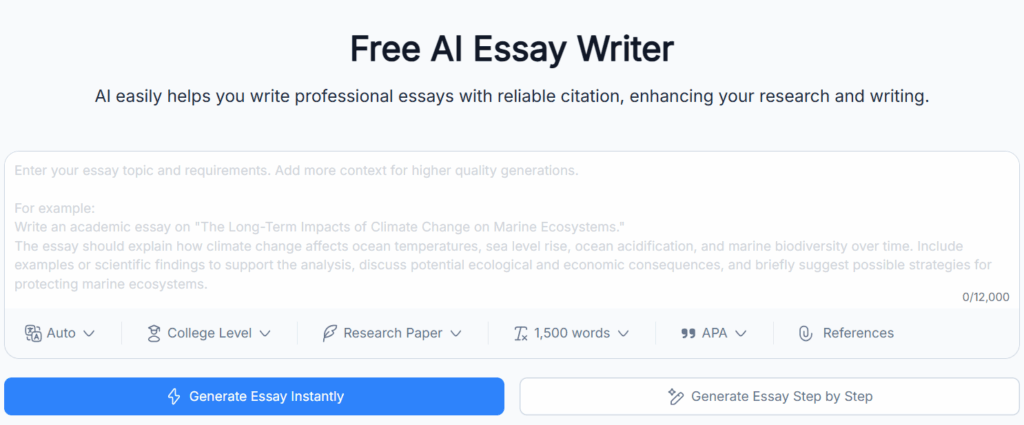
NoteGPT AI Essay Writer works well for students who already have ideas but struggle to shape them into proper academic writing. It helps generate a structured first draft based on your topic, organize arguments logically, and guide the overall academic writing structure. It also supports adjusting tone toward formal academic writing style and assists with citation formatting in styles like APA or MLA. This is helpful when you know what you want to say but are unsure how to present it academically.
2. Grammarly
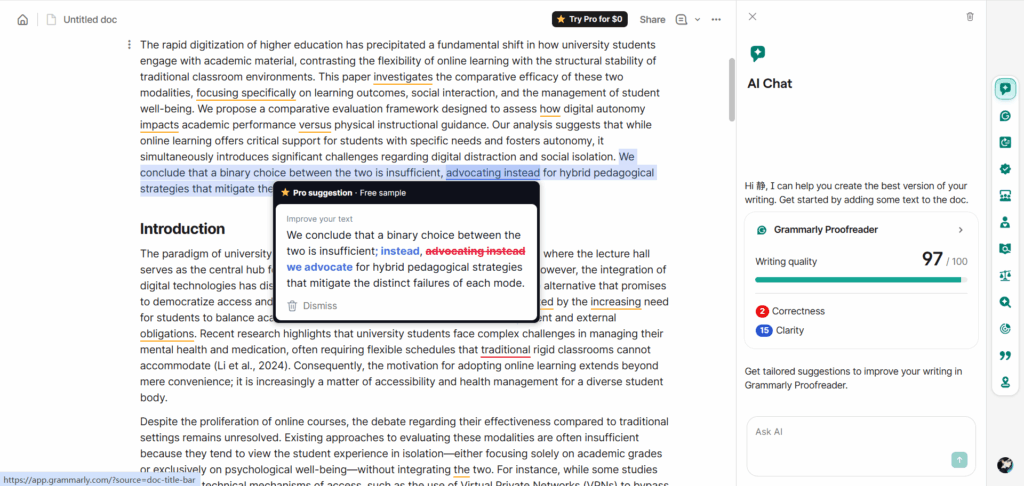
Grammarly is widely used to improve grammar, clarity, and sentence flow. In academic writing, it helps reduce informal phrasing, corrects grammar mistakes, and suggests clearer wording. While it does not build full arguments, it is useful during revision to make your academic writing sound more polished and professional.
3. Zotero
Zotero is a research and citation management tool. It helps students collect sources, organize research materials, and automatically generate citations and reference lists. Since citing sources correctly is a major part of academic writing rules, tools like Zotero reduce formatting stress and help avoid citation errors.
These tools are most effective when used as part of the learning process. They support academic writing development by helping with structure, language, and sources, while the ideas, analysis, and critical thinking still come from you.
Academic Writing Checklist Before You Submit
Before turning in your paper, run through this quick academic writing checklist:
| Question | Why It Matters |
| Is my thesis clear? | Guides the whole paper |
| Does each paragraph support the thesis? | Ensures logical structure |
| Did I use academic writing style? | Keeps tone formal and clear |
| Are all sources cited? | Prevents plagiarism |
| Did I follow the style guide? | Meets assignment requirements |
| Is my conclusion meaningful? | Shows significance of your work |
This simple check often improves grades more than last-minute rewriting.
Conlcusion
So, what is academic writing in the end? It is not about sounding complicated. It is not about using difficult words. Academic writing is a clear, structured, evidence-based way of communicating ideas in education and research.
Once you understand academic writing rules, academic writing structure, and academic writing style, the process becomes much less intimidating. Tools like AI Essay Writer can also help guide your drafting, organization, and clarity, making it easier to apply these principles in your own writing.
Like any skill, academic writing gets easier with practice. The more you write, revise, and learn from feedback, the more natural it feels. And when you stop seeing it as “strict rules” and start seeing it as a clear communication tool, everything changes.